
How to Navigate Peak Times: A Photographer's Guide to Busy Days
February 27, 2026
Advertising your photography business on Meta platforms, which includes Facebook and Instagram, is a crucial part of your marketing strategy. While there are common strategies that most photography businesses use, today we're going to go a bit deeper with unique insights and strategies that go beyond basic advertising advice. Let's see how you can leverage Meta's vast tools and user base to boost the leads coming to your photography business.
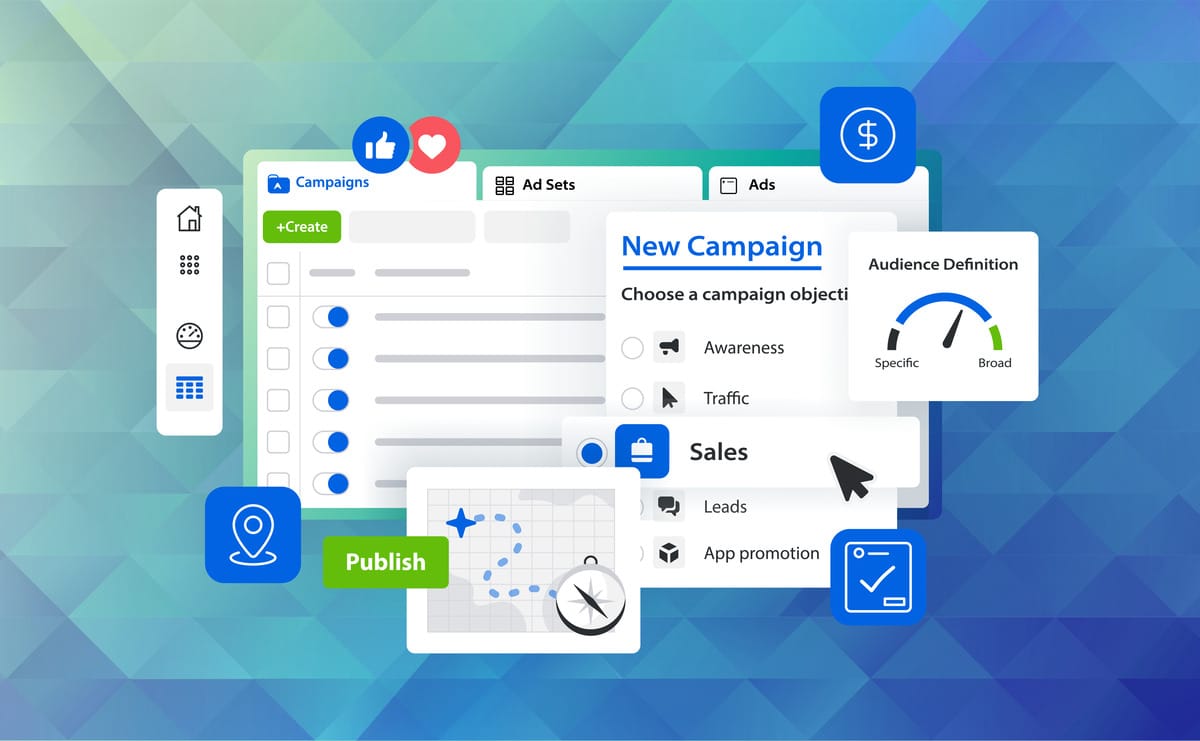
Meta's advertising platform allows photographers to create tailored ads that can boost exposure and also effectively target potential clients across both Facebook and Instagram. These platforms use detailed targeting options based on demographics, interests, behaviours, and more.
💡To make the most of these formats, you should consider the strengths of each and match them with your campaign objectives. For instance, use single image ads for strong, visual impacts; video ads for storytelling; carousel ads for depth and variety; and Stories ads for quick, compelling promotions or announcements.
💡For example, a family portrait photographer could target married couples, within a specific age range, who have children, and live in a certain city.
💡How to choose your budget allocation? Daily budgets are good for continuous advertising and help maintain a steady flow of exposure. If you have a specific duration in mind for your campaign, setting a lifetime budget is more appropriate. Meta will automatically pace your spending across the duration to optimise results.
Then there are more advanced strategies you can try. Once you familiarise yourself with the basics of setting up ads, several advanced tactics can improve your ads' performance:
Monitoring the performance of your advertising campaigns is crucial. Advertising is most effective when it's not a one-time effort. Meta provides detailed analytics that can help you understand which aspects of your ads are working and which are not.
Each metric such as reach, impressions, click-through rates, and conversion helps you assess the effectiveness of an ad and guide future strategies. What do these marketing metrics signify, and how should you interpret the data? Here’s a breakdown of everything you need to know:
How to Interpret and Improve: High reach is good if creating awareness around your services is your goal. If you see low reach, consider refining your audience selection in ad campaigns to ensure you're reaching people most likely to be interested in your content.
💡High reach with low engagement may indicate that your content isn't resonating with your audience. Evaluate whether your visuals or messaging are engaging and relevant to your audience.
How to Interpret and Improve: High impressions show that your content is being shown frequently, which can increase brand awareness. However, if impressions are high but clicks are low, it might suggest the content isn't strong enough to drive action. Since photography is a visual medium, ensure your ads and posts use high-quality images to grab attention.
How to Interpret and Improve: A high CTR means that your audience finds your ads relevant and enticing. If the CTR is low, it may be a sign to revise the ad copy, and the design, or to better target your ads.
How to Interpret and Improve: This is one of the most critical metrics as it shows the effectiveness of your campaign in driving an action! A low conversion rate might indicate that there is a disconnect between the ad and the landing page or that the user experience is lacking. Your landing page should be visually appealing and easy to navigate. Use clear and concise call-to-action (CTA) buttons, and ensure that the page loads quickly across all devices.
When was the last time you participated in a poll just to see the results? Well, we all do it from time to time! While many businesses use Stories for visibility, integrating polls within these stories can significantly increase engagement. Polls not only engage but can also double as your market research to better understand what your audience enjoys or expects from your photography business.
AR ads on Facebook are still not as commonly used by photographers. These ads allow users to interact with your photography in a virtual space. You can perhaps let potential clients visualise themselves in one of your photoshoot settings. AR creates memorable, interactive experiences that can drive higher engagement rates. It also differentiates your services from others.
Facebook provides detailed targeting options that allow you to reach very specific audiences. For instance, targeting users who have recently engaged with wedding content if you’re a wedding photographer, or who are part of parenthood groups if your niche is in baby or newborn photography.
Did you know that you can leverage your existing client list to find new clients? Upload your client email list to Meta, and use it to find new users who share similar characteristics with your best existing clients. This method often results in higher conversion rates because the new audience has similar desires to your current happy clients.
However, it's crucial to ensure that your clients have given explicit consent for their data to be used for marketing purposes beyond your direct communication with them. Using client data without consent can violate privacy laws and damage trust between you and your clients!
Start capitalising on your reviews and testimonials! Share glowing reviews and testimonials directly in your ads. Social proof can be incredibly persuasive. Choose testimonials that speak directly to the benefits of your services. Highlight reviews that are detailed, mention specific advantages, and come from clients who mirror your target audience. This makes the testimonials relatable and credible to prospective customers!
With permission, use images of real clients in your advertising. This approach helps humanise your ads. Potential clients can see themselves in the photos, making the service you offer more relatable and desirable. Make sure to pair testimonials with a strong call to action that guides potential customers on what to do next.
Install the Facebook Pixel on your website. It's helpful for retargeting visitors but more importantly, it’s helpful in understanding which ad formats and creative content drive traffic to your site. This data will come in handy when you're optimising your campaigns.
Showcase different aspects of your photography service with carousel ads. For wedding photographers, this could include various wedding scenes, portraits of the bride and the groom, or before-and-after shots of photo edits.
Despite their popularity, video ads are still underutilised by photographers. Create behind-the-scenes videos of photoshoots, or testimonials from clients post-shoot. With higher engagement rates, video ads can convey your personality and business ethos more effectively than static images.
Try sharing photography tips or blog posts about photo session preparations, poses or any informational content that provides value beyond the standard sales pitch. Link these informative pieces in your ads to drive traffic to your website which would help you position yourself as an expert in the field.
Tailor your ads around holidays, seasons, and local events. For instance, advertise mini-session specials during the holiday season or offer special discounts for graduations in the spring.
Mastering Meta advertising for photographers is through understanding the basics of creating and launching an ad and also diving deep into advanced targeting options, creative testing, and ongoing performance analysis.
Remember to stay updated with Meta's evolving tools and continuously experiment and refine your strategies then you can effectively use Meta's platforms to grow your business and stand out in a competitive market. We hope the tips and strategies above give you a solid start to learning how to promote your photography using Facebook and Instagram!
Enjoyed this guide? Then you might like the article Meta ad optimisation for photographers as well. If you like to read up on more photography marketing tips; browse our growing collection of articles on our blog containing useful tools, techniques, and best practices. Many of these insights come straight from the mouths of successful professional photographers!