
How to Navigate Peak Times: A Photographer's Guide to Busy Days
February 27, 2026

In the competitive world of wedding photography, standing out requires more than just talent behind the lens. It involves strategic business practices, continuous learning, and an unwavering commitment to excellence. As a seasoned wedding photographer and videographer, I've generated over $200,000 in revenue for three consecutive years.
This success didn't happen overnight—it was the result of implementing practical strategies and expanding my skill set to include videography. In this article, I’ll share insights on how you can boost your revenue and seamlessly integrate videography into your services.
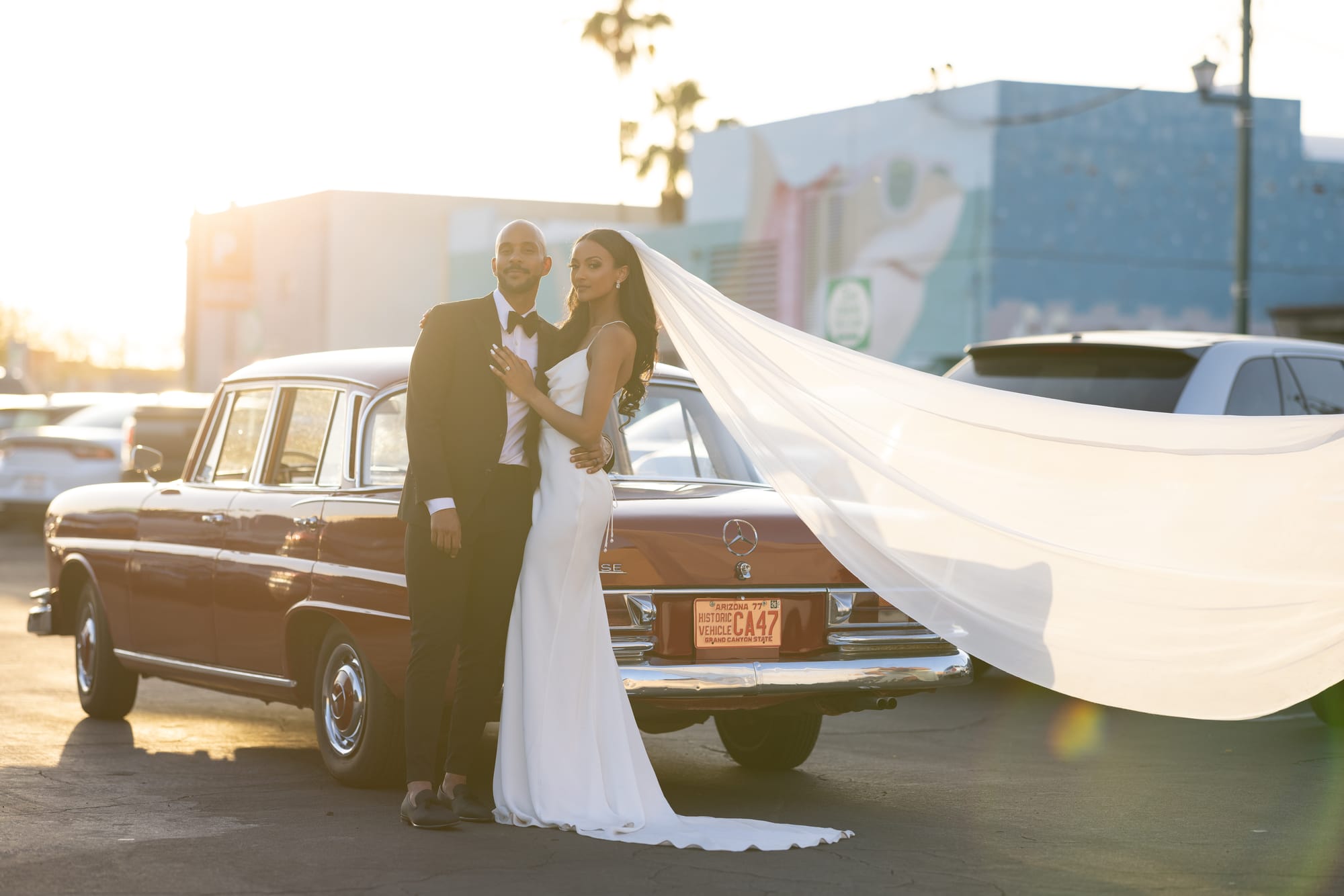
The goal of earning six figures per year as a wedding photographer is both ambitious and attainable with the right strategies. By setting clear objectives such as developing a strong portfolio, optimizing marketing efforts, and offering exceptional client service, photographers can attract higher-paying clients and increase their bookings. Diversifying services to include videography and other value-added offerings can also significantly boost revenue. With dedication and strategic planning, achieving a six-figure income in the wedding photography industry is well within reach.
Knowing your target market is the cornerstone of any successful business. For wedding photographers, this means understanding the demographics, preferences, and budget ranges of potential clients in your area. Conducting market research helps you tailor your services to meet the specific needs and desires of your target audience.
While your market and clientele can influence your pricing strategy, it's crucial to avoid the "no-man's land" of pricing—where your rates are too high to attract average clients but not high enough to appeal to big-budget clients. You must decide whether you aim to be a quality photographer, focusing on fewer, high-paying clients, or a quantity photographer, targeting a larger volume of average-budget clients. Beware of setting your prices in the middle ground, as this can lead to missing out on both ends of the market.

Your portfolio is your most powerful marketing tool. It showcases your style, skills, and the quality of your work. Here’s how to create a compelling portfolio:
Your portfolio should showcase only your latest and greatest work. I recommend curating it to include 3-4 galleries that best represent your current style and approach, featuring work from the past two years. Clients often form an opinion about you and your business within the first 10 minutes of viewing your portfolio. They will make quick judgments about your worth based on what they see. Therefore, ensure that your galleries and portfolio align with your pricing and the level of investment you expect from your clients.

Your USP differentiates you from competitors and highlights what makes your services special. It could be a unique photography style, exceptional customer service, or a specialized service package.
The competition among photographers and videographers in your area is likely more intense than you realize, with many vying for the same clients. To attract and secure clients, you need to stand out from the crowd. Developing a Unique Selling Proposition (USP) is key—this could be the quality of your work, an exceptional client experience, a distinctive editing style, or comprehensive package inclusions. Personally, I emphasize delivering a strong client experience and high-quality work to distinguish myself. This strategy aligns with my goal of attracting high-end clients with larger budgets. By focusing on these elements, I can appeal to the clientele I aim to serve and set myself apart in a crowded market.

In today’s digital age, a strong online presence is crucial for attracting clients. Here’s how to enhance your online visibility:
Your online presence is absolutely critical to your success. Consider it from a client’s perspective—they are about to invest a significant amount of money in someone they don’t know and are unsure if it will work out. If you don’t have a well-designed website (and shockingly, many photographers don’t) or aren’t active on social media, these are immediate red flags for prospective clients. Additionally, place a high value on gathering reviews everywhere you can.
According to a 2021 report by PowerReviews, over 99.9% of customers read reviews when shopping online. Furthermore, 96% of customers specifically seek out negative reviews, up from 85% in 2018. Make sure your online presence is strong, professional, and filled with positive feedback to build trust and attract more clients.

Building a network of industry contacts can lead to referrals and collaborative opportunities. Here are some networking strategies:
Don't underestimate the power of relationships in the wedding industry. Building a strong connection with the right wedding planner, for instance, can secure your business for the next five years through their referrals alone. At every wedding, make it a point to collect the social media handles of all the vendors, follow them, and offer them photos from the event for sharing purposes. This simple gesture helps foster relationships with your vendors. Always tag them in your social media posts; they’ll likely reciprocate, which will expand your online organic reach. If you establish exceptional relationships with a few key vendors, consider asking them to refer you to clients, and offer to do the same for them. This reciprocal referral system is one of my most effective marketing strategies, consistently bringing in new business and reinforcing my professional network.

Providing exceptional customer service can lead to repeat business, referrals, and positive reviews. Here’s how to exceed client expectations:
It’s crucial to see the process from your clients' perspective. Many people have little understanding of weddings or what’s required for photography. Therefore, providing detailed information, actively participating in the planning process, and welcoming all questions and concerns is vital to delivering an exceptional experience. As previously mentioned, vendor referrals are powerful, but client referrals can be even more impactful.
Over the past three years, the number of clients I've gained through referrals from previous clients has been substantial. In fact, about two-thirds of the weddings I shoot have guests who are engaged and searching for vendors. Showcasing your best work during the wedding can significantly influence these potential clients. If they are impressed by your work, they’ll inquire about you from the couple, which can lead to more business.
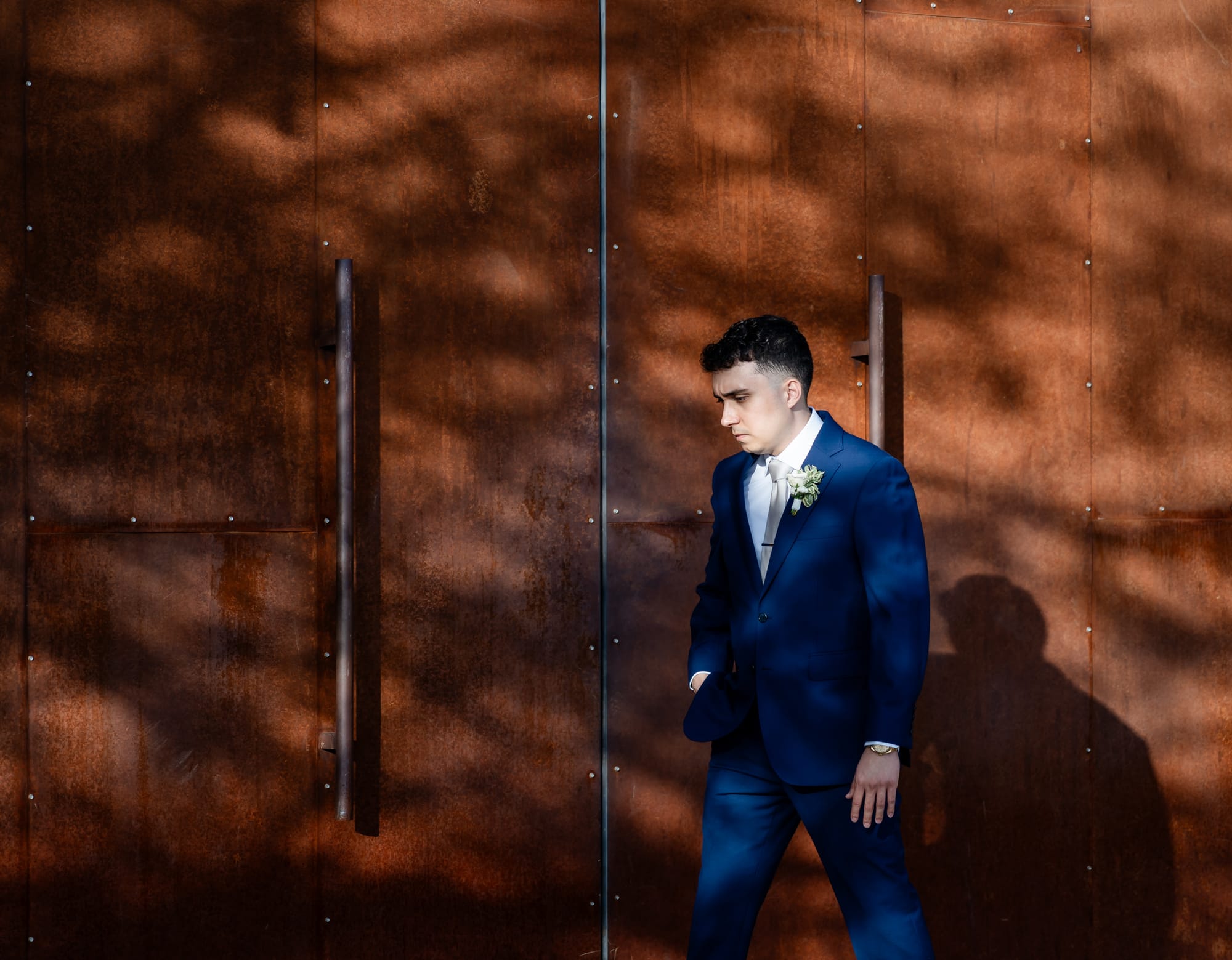
Marketing is essential for attracting new clients and growing your business. Consider these marketing strategies:
Marketing is crucial for attracting new clients and securing bookings, with numerous avenues to gain traction. In my experience, Google Ads has proven to be the most cost-effective and successful strategy. However, you should also consider Facebook and Instagram ads, as well as paid listings on platforms like The Knot, to boost your visibility and bookings. It's vital to track your spending and establish a set monthly marketing budget, ensuring you stick to it. Overspending can easily occur, and you might find yourself spending more on marketing than you're making in profit.

One of the most effective ways I increased my revenue was by integrating videography into my skill set and portfolio. Offering both photography and videography services not only allowed me to book more clients but also gave me the flexibility to provide either service at weddings. Videography has become an essential part of the wedding industry, nearly as indispensable as photography. Clients appreciate the added value of videography, and being able to offer it significantly enhances their experience. While mastering videography can be challenging, it is a valuable skill that, with time and practice, you can develop to elevate your offerings and attract more clients.
Transitioning from photography to videography requires learning the fundamentals of video production. Here are some key concepts to master:
Yes videography can feel intimidating, but I promise it’s not as daunting as it seems. Understanding the basics is the key to success.
Having the right equipment is crucial for producing professional-quality videos. Here’s a list of essential videography gear:
High-quality gear is essential to your success as a videographer. Clients expect their videos to look stunning, especially when viewed on 4K televisions and high-end displays repeatedly. Achieving exceptional videography requires top-tier equipment that can deliver superior quality. Investing in the best gear ensures that you can meet and exceed client expectations with every project.
Editing is a critical part of videography. Here are some tips for mastering video editing:
Video editing is a completely different ball game compared to photo editing, but the good news is that it’s much more fun and engrossing. I find working on videos and creating them far more enjoyable than photos, although it took me some time to master the software. Be patient and keep experimenting with your chosen editing tools—you’ll grasp it quicker than you might expect.
The best way to improve your videography skills is through practice. Here are some ways to gain experience:
Mistakes are inevitable when you first start, but they’re part of the learning process. Ensure you have a solid understanding of what you’re doing by practicing extensively before offering your services at a wedding. It’s definitely a process, but the more you practice, the quicker you’ll grasp it.
Here are some unique strategies you can use to help kickstart your growth to six figures. By implementing these innovative approaches, you can differentiate yourself in a competitive market and attract more high-paying clients. These tactics will not only enhance your revenue but also build a strong, sustainable business foundation.

Offer seasonal or themed mini-sessions that provide a shorter, more affordable option for clients. These sessions can attract new clients who may later book full wedding packages, creating a steady stream of income throughout the year.
Develop a VIP program for returning clients or those who book high-end packages. Offer perks such as priority booking, exclusive discounts, or complimentary anniversary photo shoots. This not only encourages loyalty but also justifies premium pricing.
Collaborate with local influencers and bloggers who can promote your services to their followers. Offering a free engagement session in exchange for social media promotion can significantly expand your reach and attract high-paying clients.

Becoming a successful wedding photographer and videographer requires a combination of technical skills, business acumen, and a commitment to continuous learning. By understanding your market, building a strong portfolio, optimizing your online presence, and offering exceptional customer service, you can boost your revenue and grow your business. Additionally, integrating videography into your services can enhance your offerings and provide a more comprehensive experience for your clients.
As you embark on your journey, remember that success doesn’t happen overnight. Stay persistent, keep learning, and always strive for excellence. By following these strategies, you can achieve your goals and enjoy a rewarding career in wedding photography and videography.

Craig Peterman's journey in photography began early, evolving into a deep passion for videography, which he honed through a degree in Digital Film Production. His work is a fusion of cinematic storytelling and fine art, capturing weddings with a candid, detail-oriented approach. Based in Phoenix, Arizona, Craig draws inspiration from the local natural light and landscapes, creating visually stunning narratives.